
Lunettes pour femme.


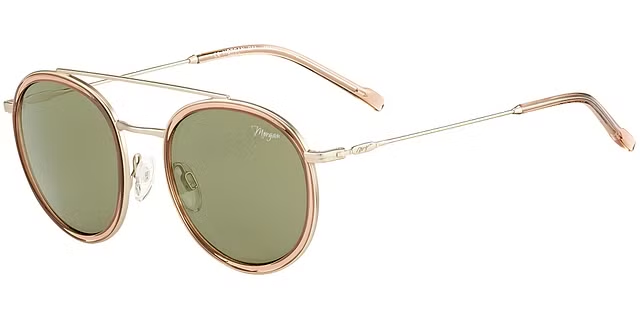
207358
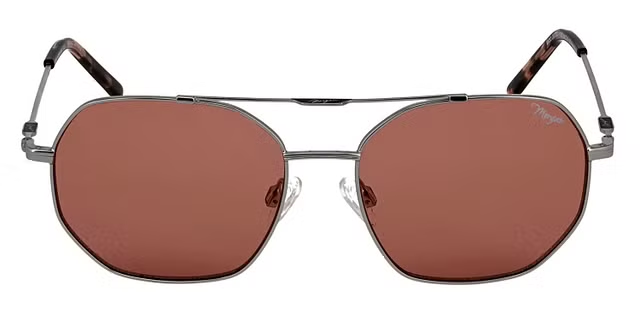
207362
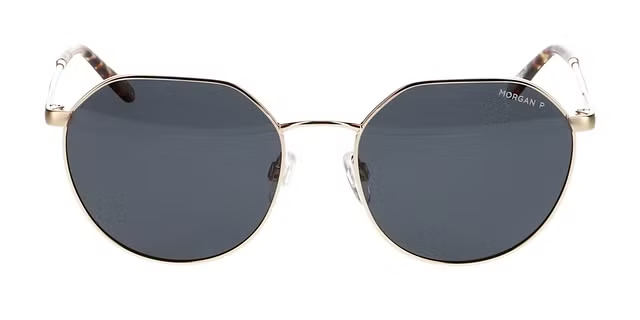
207379

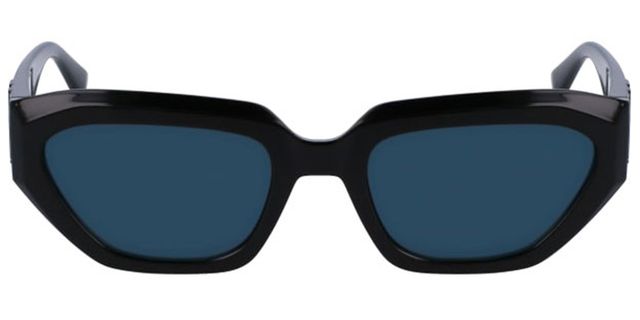
CKJ23652S
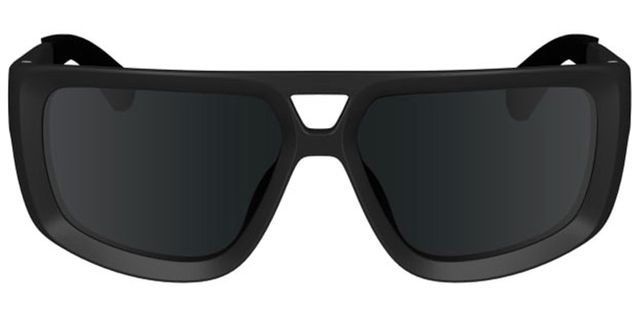
CKJ24605S

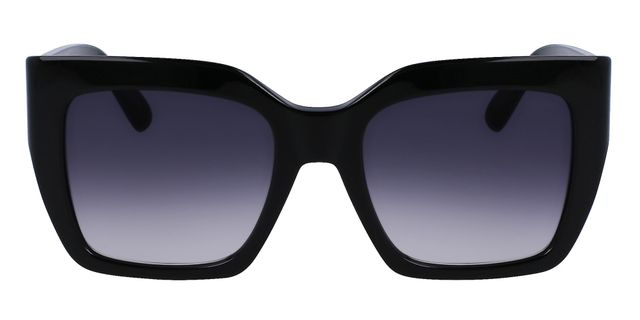
LO734S
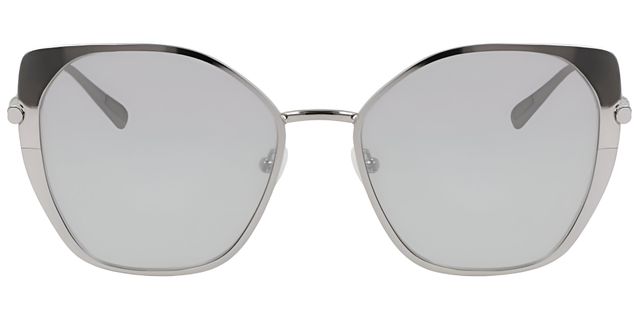
LO175S
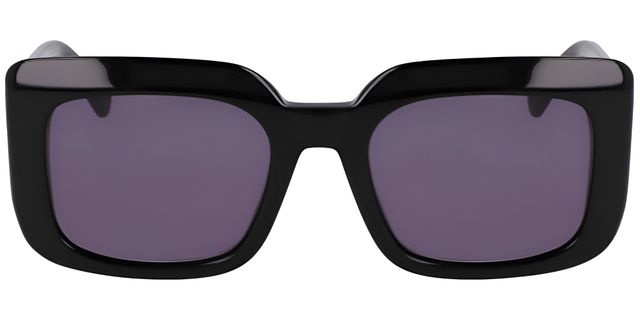
LO753S
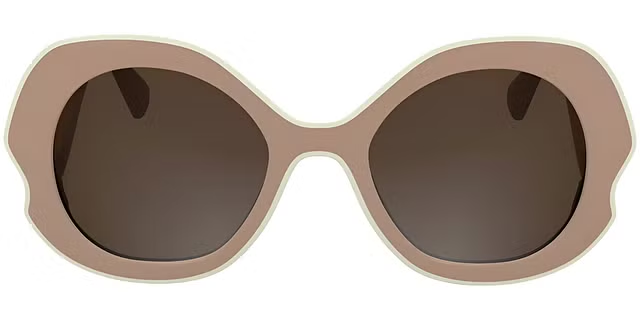
LO780S

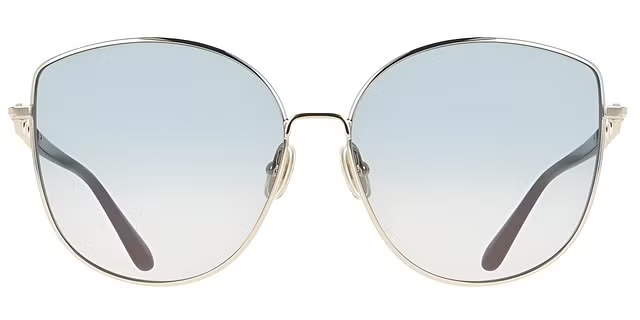
SF339S

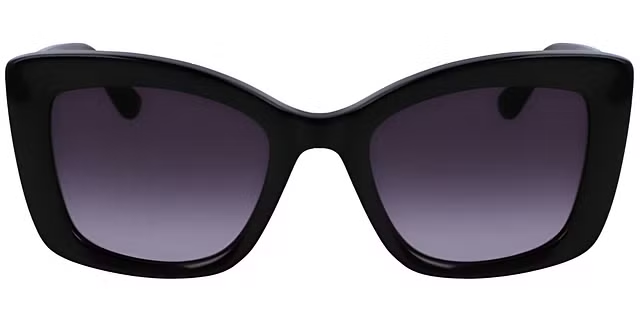
KL6139S
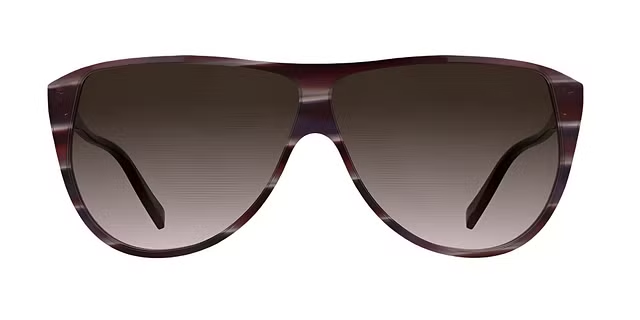
KL6227S

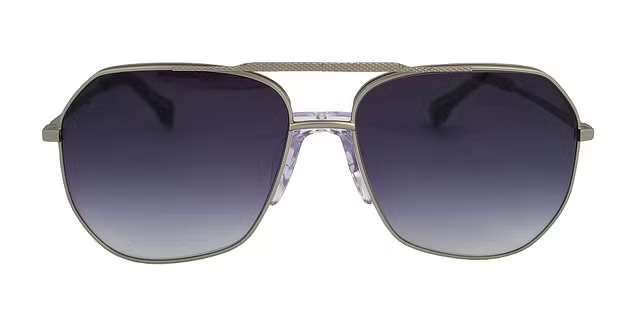
BE258 Uchima+S
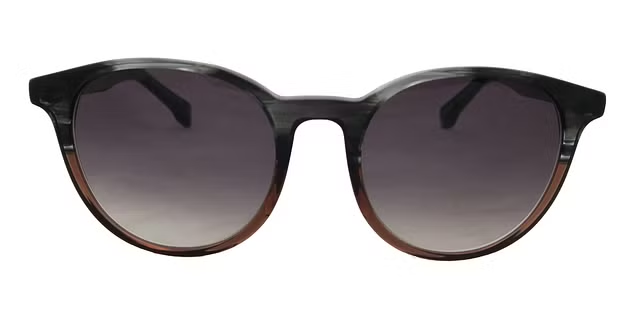
BHP112 NAGAMATSU+S
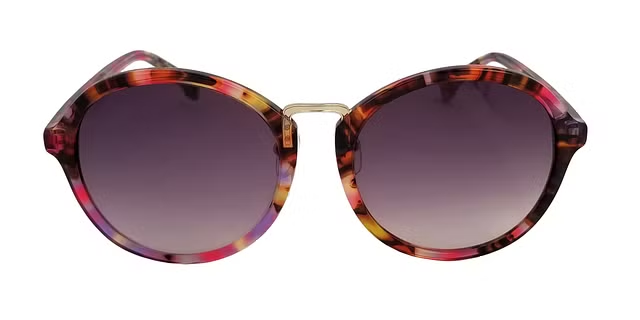
BP260 NAGANANA+S

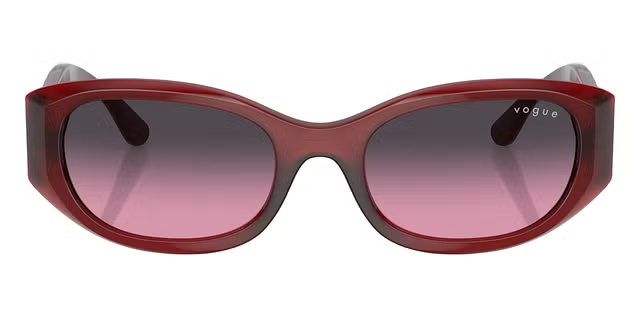
VO5525S
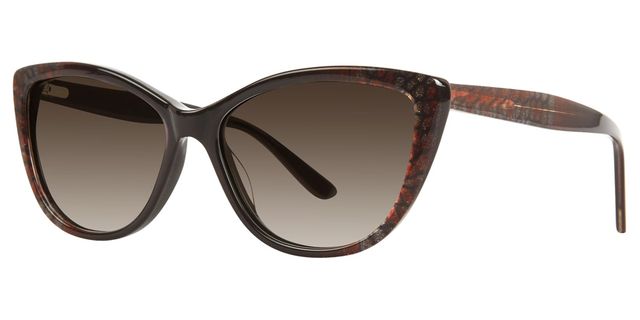
69

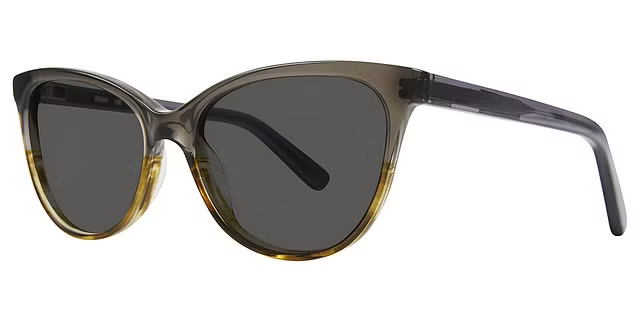
Bonaparte

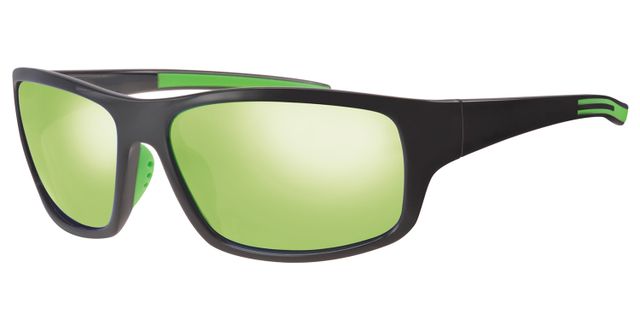
9500

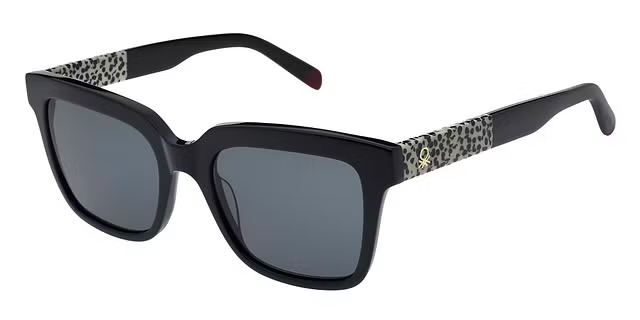
BE5114

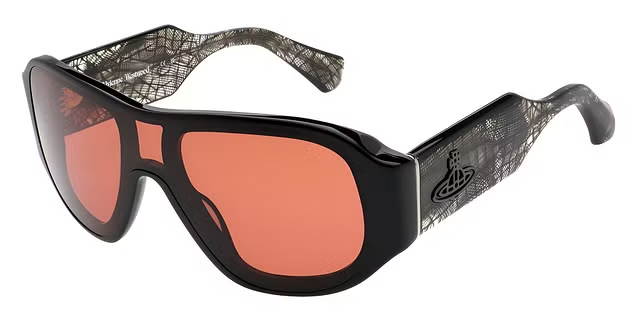
VW5131

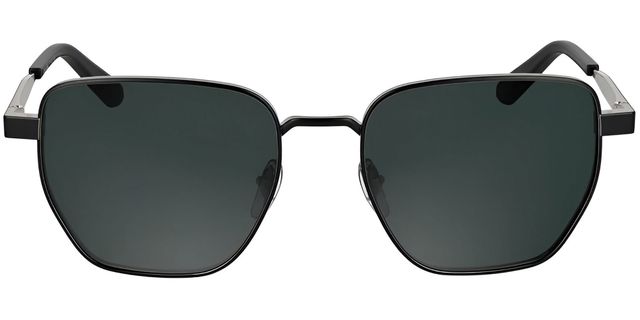
CK25100S
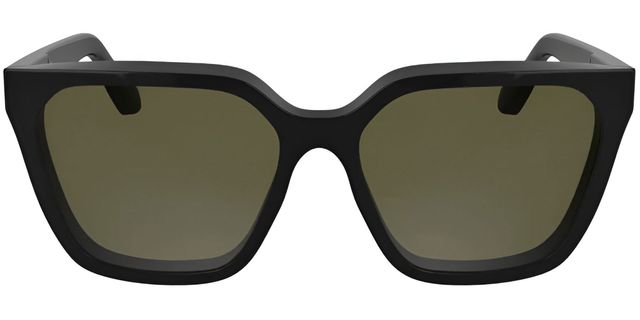
CK25500S
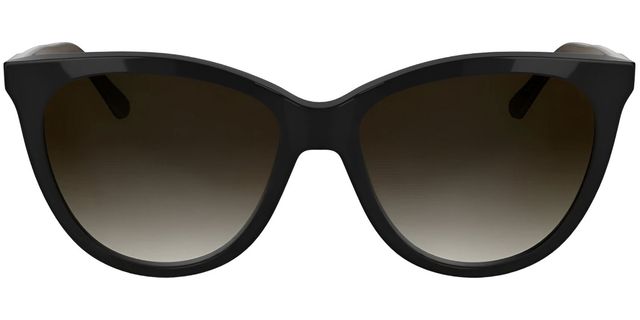
CK25508S

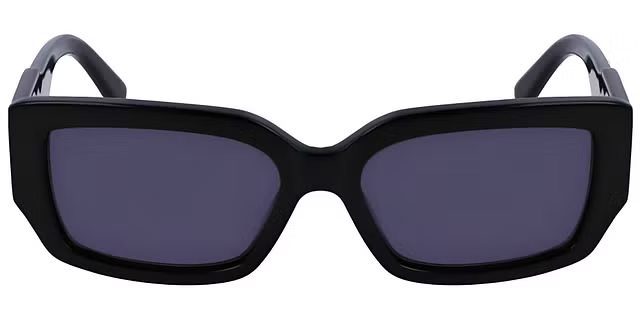
L6021S

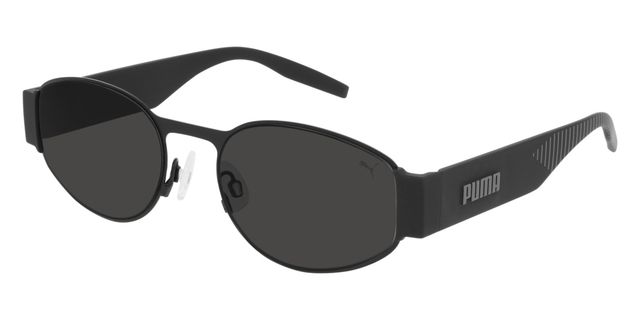
PU0284S

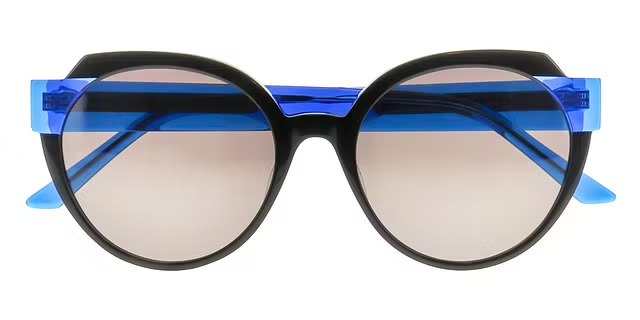
SOL 2

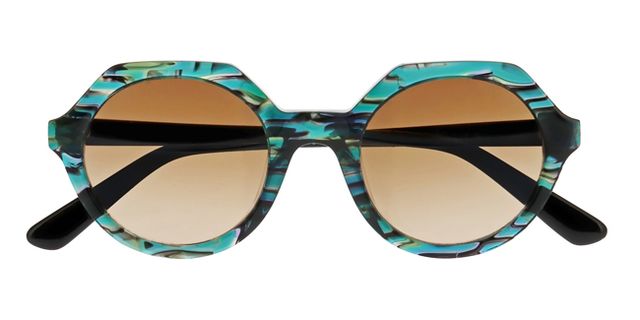
NI9873

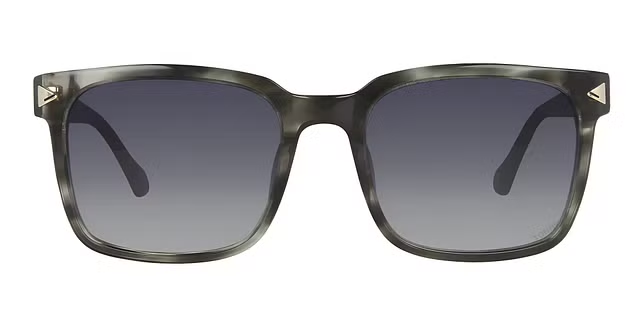
TS44006
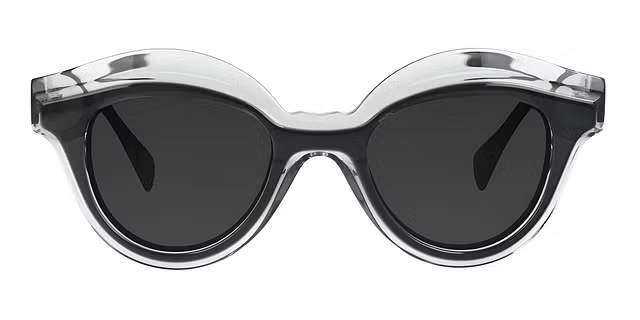
TS14010S

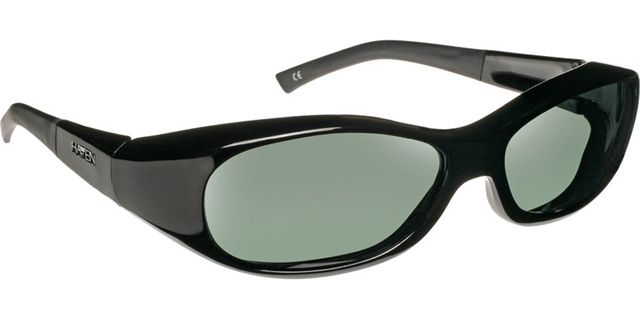
Fits Over Fashion Avalon

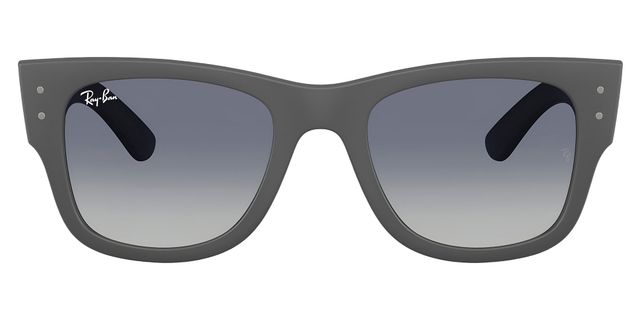
RB4840S

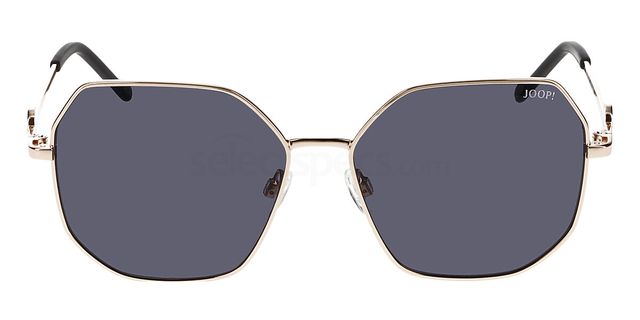
87404

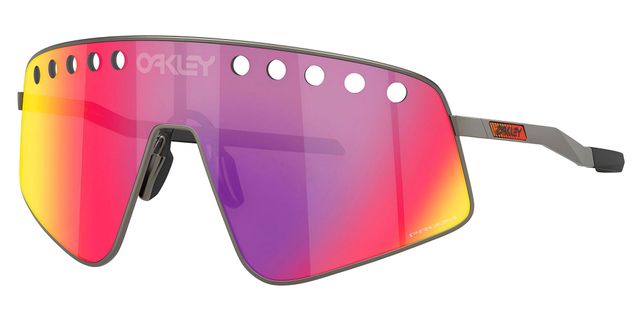
OO6025 - Sutro ti sweep
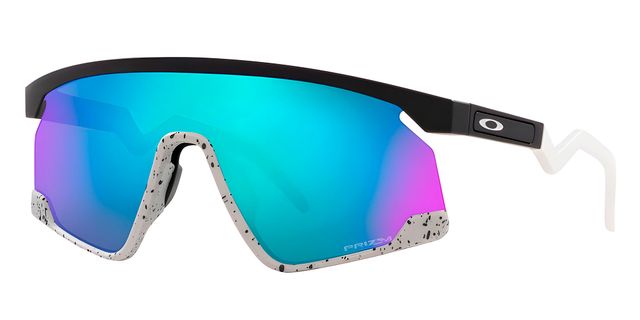
OO9280 - Bxtr
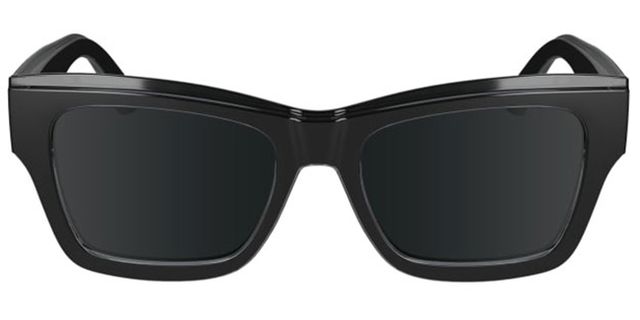
CKJ24609S

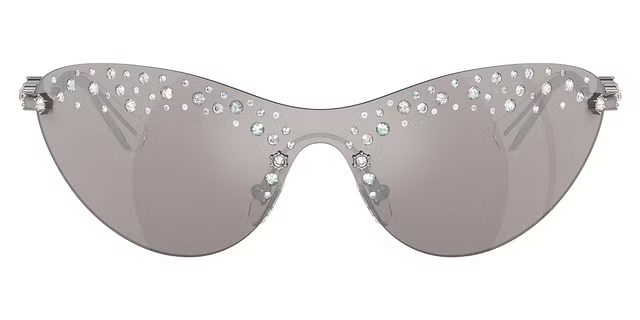
SK7023

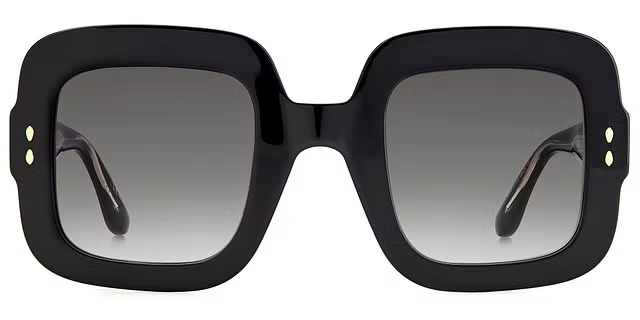
IM 0074/G/S

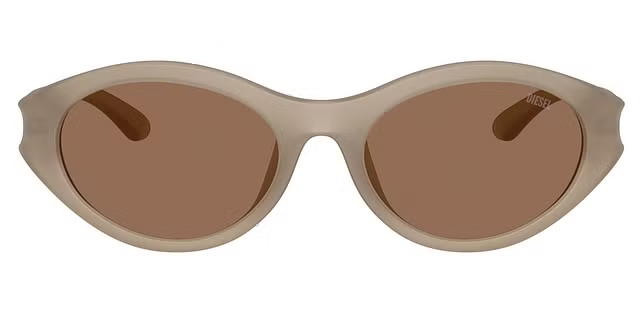
DL3005U
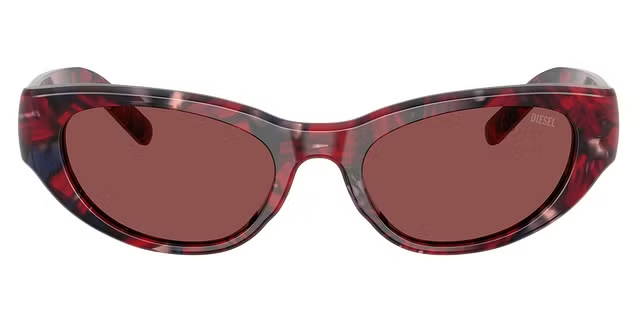
DL2010U

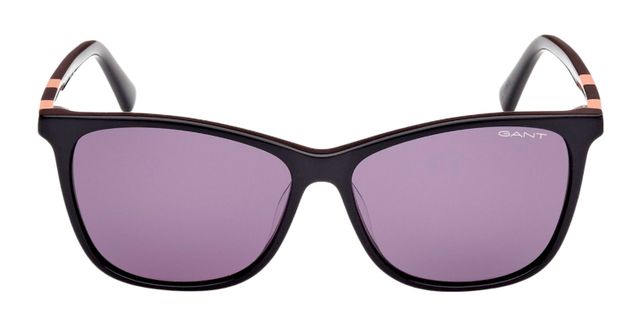
GA00007

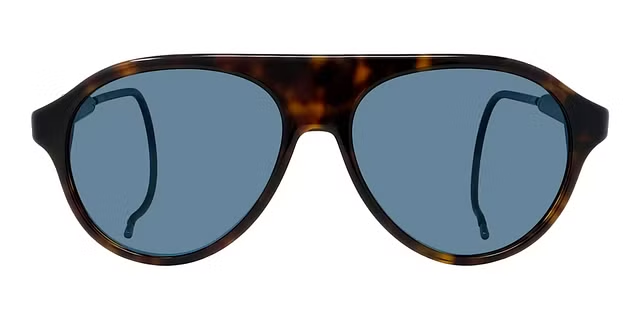
ALPINE 02 MEDIUM

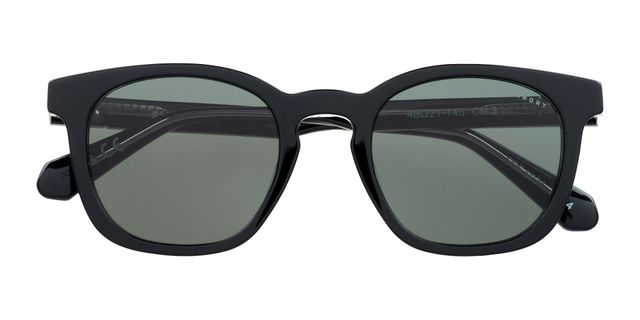
SDS-5031
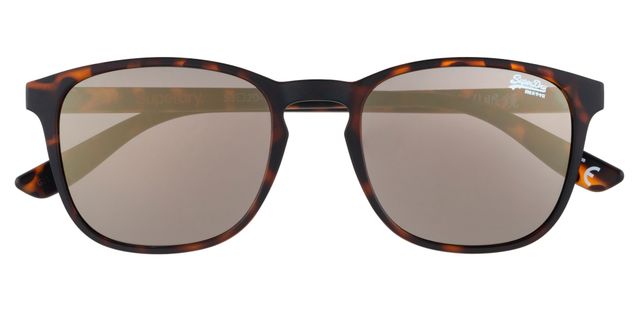
SDS-SUMMER6

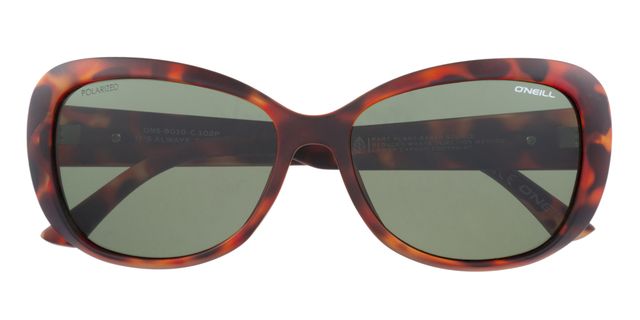
ONS-9010 - 2.0
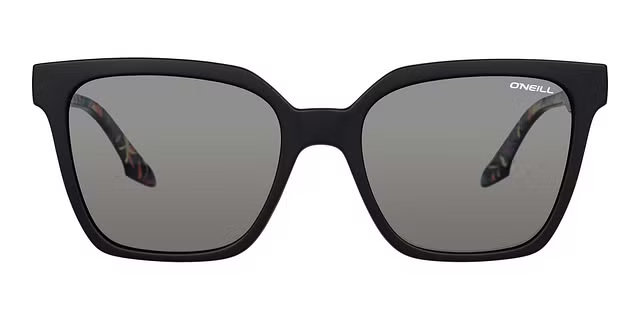
ONS-NOOSA 2.0
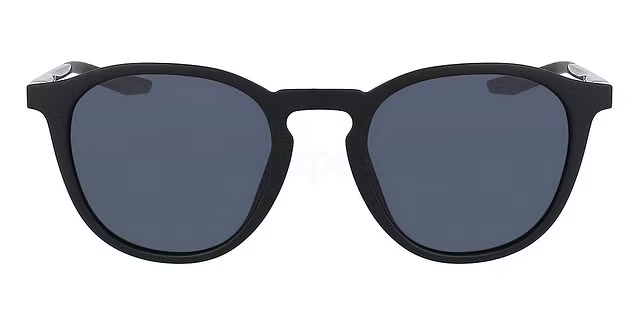
NIKE NEO RD DV2295

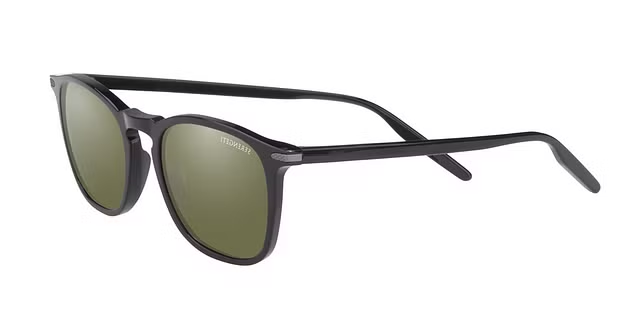
DELIO LARGE
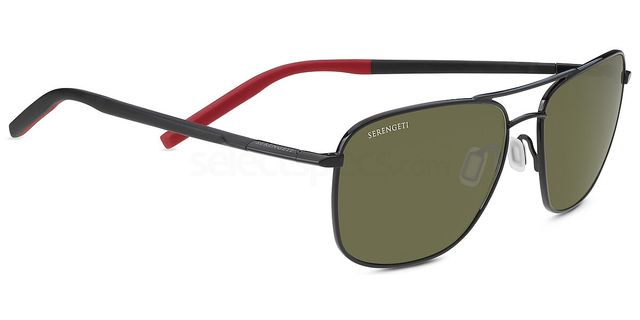
SPELLO
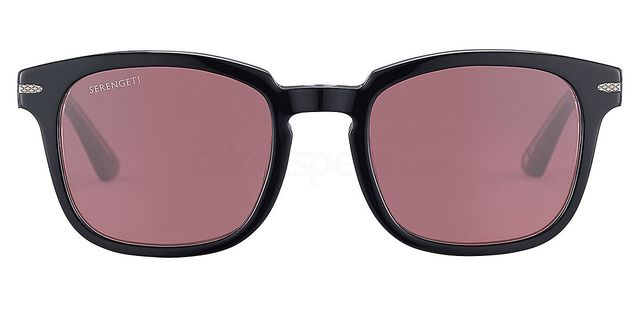
ETHAN
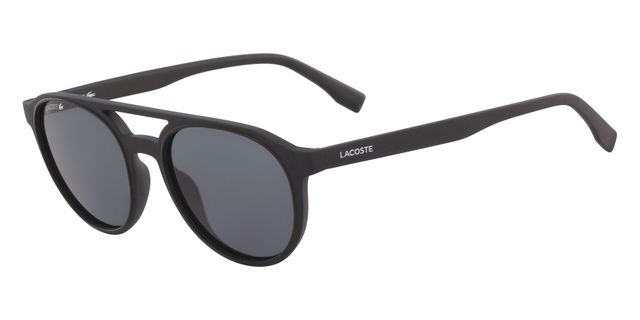
L881S
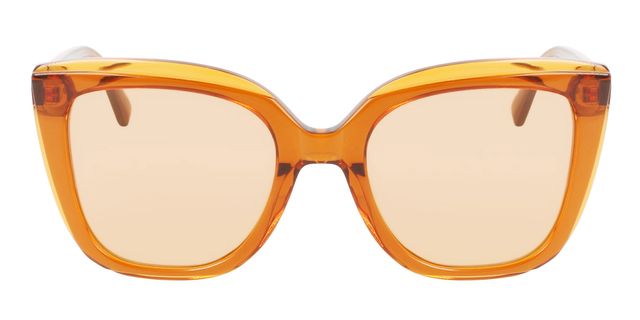
LO689S
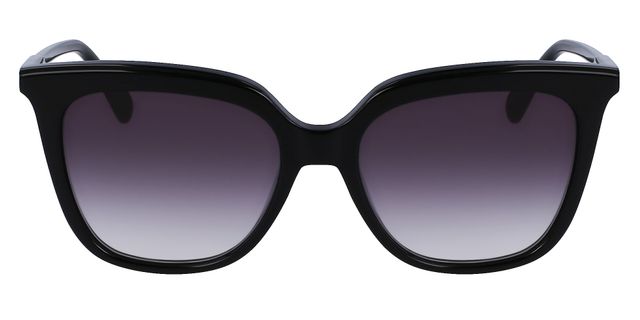
LO728S
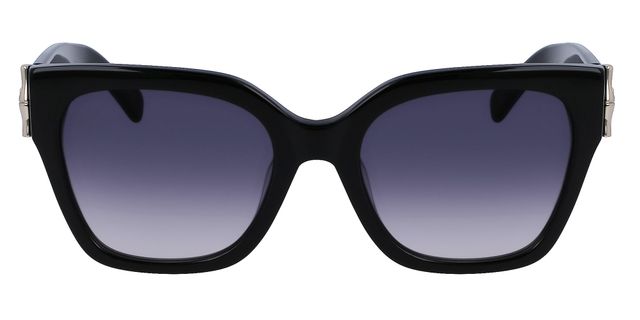
LO732S

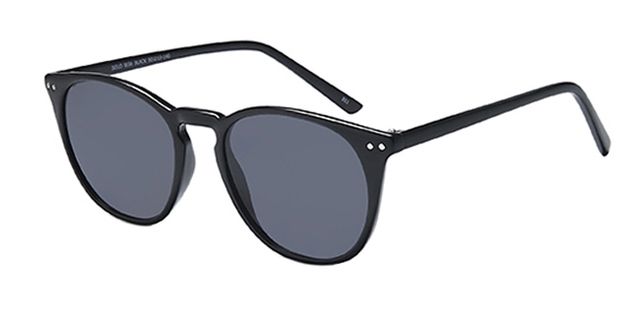
SUN 56
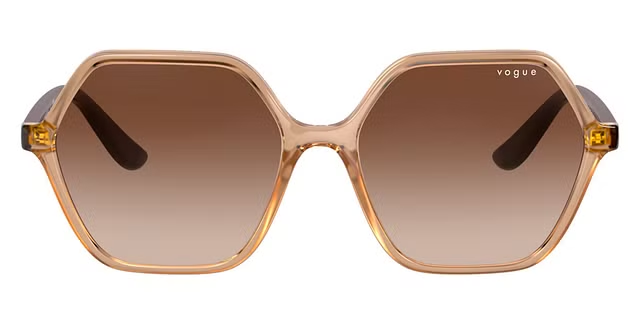
VO5361S

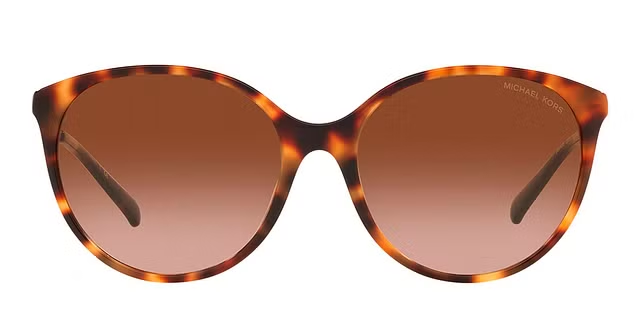
MK2168 - Cruz bay

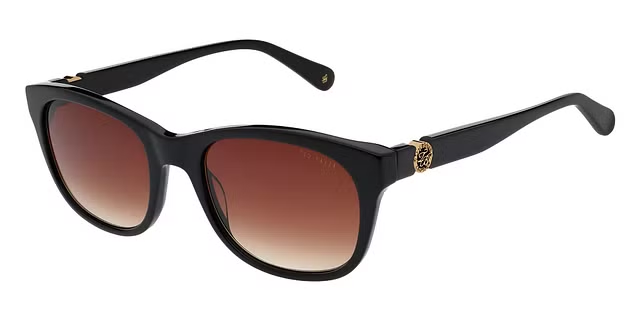
TB1815 IONA

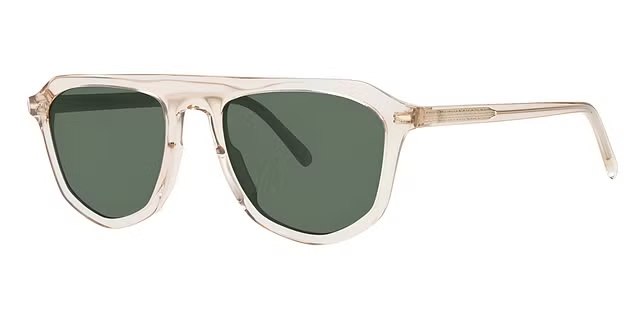
Raleigh
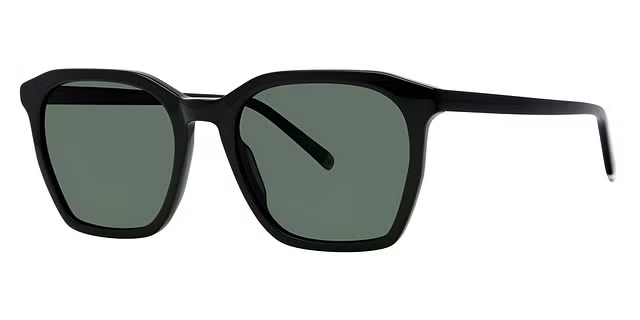
Atlas
Vous avez consulté 60 of 3577 products
FAQs for Lunettes pour femme.
What makes designer women's sunglasses worth the higher price compared to regular sunglasses?
Designer women's sunglasses typically feature premium materials like high-grade acetate or titanium frames, superior lens technology with better UV protection, and meticulous craftsmanship that ensures durability and comfort. They also offer exclusive designs and brand prestige that aren't available in mass-market alternatives, making them a long-term investment in both style and eye protection.
Which frame shapes are most flattering for different face shapes in women's sunglasses?
Cat-eye frames complement round faces by adding angular definition, while round or oval frames soften angular features on square faces. Aviator styles work well for heart-shaped faces, and oversized frames can balance wider jawlines. The key is choosing frames that contrast your natural face shape rather than mirroring it.
Can I get prescription lenses fitted into designer women's sunglasses?
Most designer women's sunglasses can accommodate prescription lenses, though this depends on the frame style and your prescription strength. Some brands like those offered by optical retailers specifically design their frames to work with prescription lenses, while others may have limitations based on the frame curvature or lens size.
What's the difference between polarized and non-polarized lenses in women's sunglasses?
Polarized lenses reduce glare from reflective surfaces like water, snow, or car hoods, making them ideal for driving or outdoor activities. Non-polarized lenses still provide UV protection but don't eliminate glare, which some people prefer for activities where you need to see LCD screens clearly or judge distances accurately.
How do I choose between acetate and metal frames for women's sunglasses?
Acetate frames offer more color and pattern options, tend to be more comfortable for extended wear, and provide a classic, substantial look. Metal frames are typically lighter, more adjustable, and offer a sleeker, minimalist aesthetic. Consider your lifestyle, comfort preferences, and desired style when choosing between the two materials.
What UV protection level should I look for in quality women's sunglasses?
Look for sunglasses that offer 100% UV protection or UV400 rating, which blocks both UVA and UVB rays up to 400 nanometers. This level of protection is essential for preventing eye damage and is standard in quality designer sunglasses, regardless of lens color or darkness.
Are oversized sunglasses better for sun protection than smaller frames?
Oversized sunglasses do provide better coverage and protection from UV rays hitting your eyes from the sides and top. They also protect more of the delicate skin around your eyes from sun damage. However, the lens quality and UV rating are more important than size alone for effective eye protection.
How do I know if women's sunglasses will stay comfortable during all-day wear?
Look for features like adjustable nose pads, lightweight materials, and proper temple length that doesn't pinch behind your ears. Quality frames should distribute weight evenly and not slide down your nose. Many premium brands offer try-before-you-buy services to ensure proper fit and comfort.
What's the difference between gradient and solid tinted lenses in women's sunglasses?
Gradient lenses are darker at the top and lighter at the bottom, making them ideal for driving as they reduce overhead glare while allowing you to see your dashboard clearly. Solid tinted lenses provide uniform light reduction and are better for consistent bright conditions like beach or snow activities.
Which lens colors work best for different activities in women's sunglasses?
Brown and amber lenses enhance contrast and are excellent for driving and outdoor sports. Gray lenses provide true color perception and are versatile for general use. Green lenses offer good contrast while maintaining color balance, and blue or purple lenses are more fashion-focused but may distort color perception in certain lighting conditions.